Gösta’s pavilion, Mänttä
An international design competition was held for Serlachius Museum Gösta’s extension in 2010–2011.
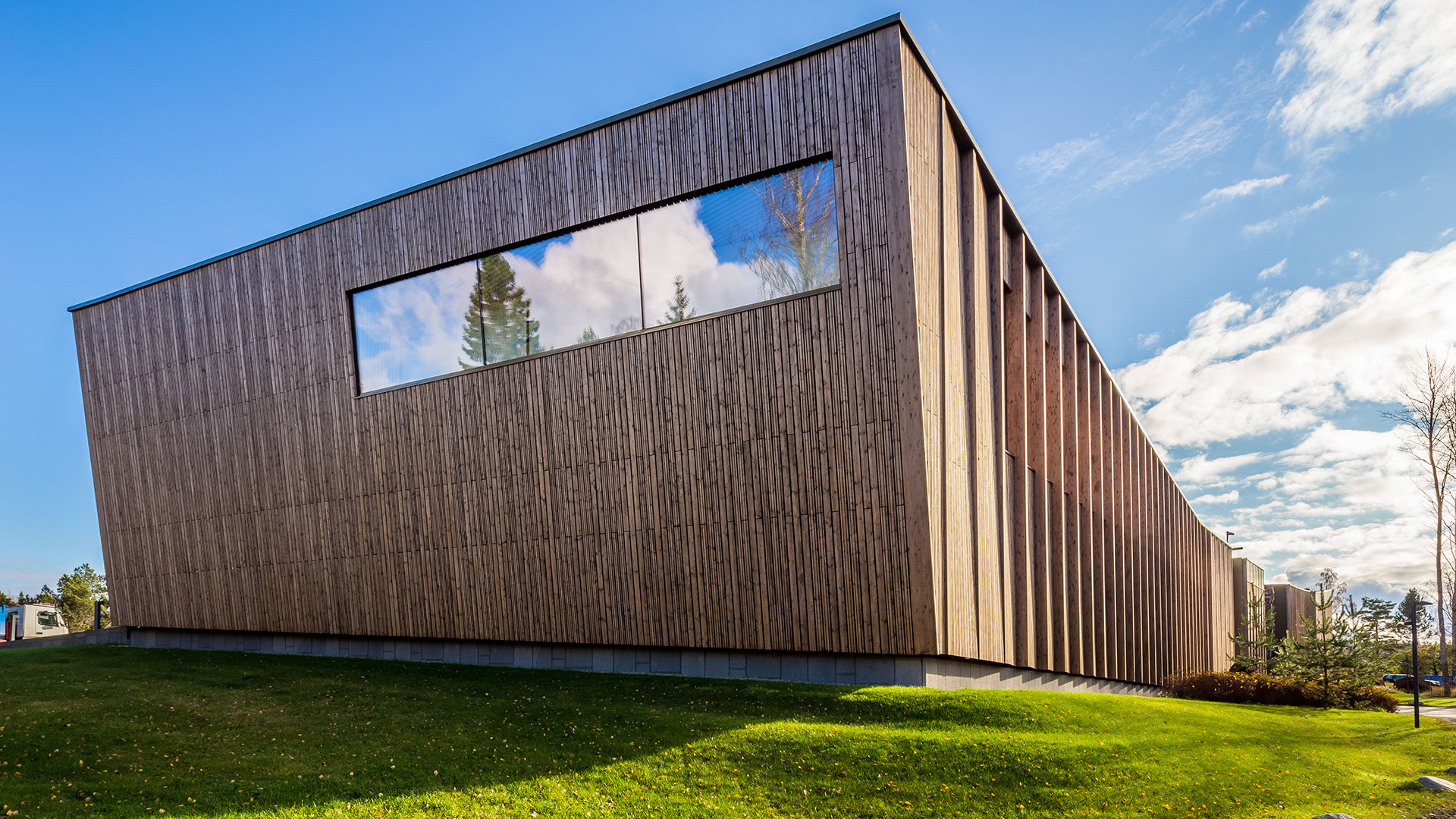
The building houses three exhibition spaces (ranging in area from 100 m² to 600 m²), a reception hall, a museum shop and restaurant, offices for the personnel, and appropriate storage and restoration facilities for the museum’s works of art. The extension is connected to the old manor building with a covered glass corridor. Glulam beams, which are visible in the external and internal walls, serve as the basic structures. Glass and wood surfaces alternate in the façade. Gösta’s pavilion was selected as Wooden Structure of the Year in 2014.
Customer
Gösta Serlachiuksen taidesäätiö
Location
Mänttä
Size
5 700 brm²
Completion
2016
Services
Structural engineering
Other references
-
Vuokatti slope area, Sotkamo
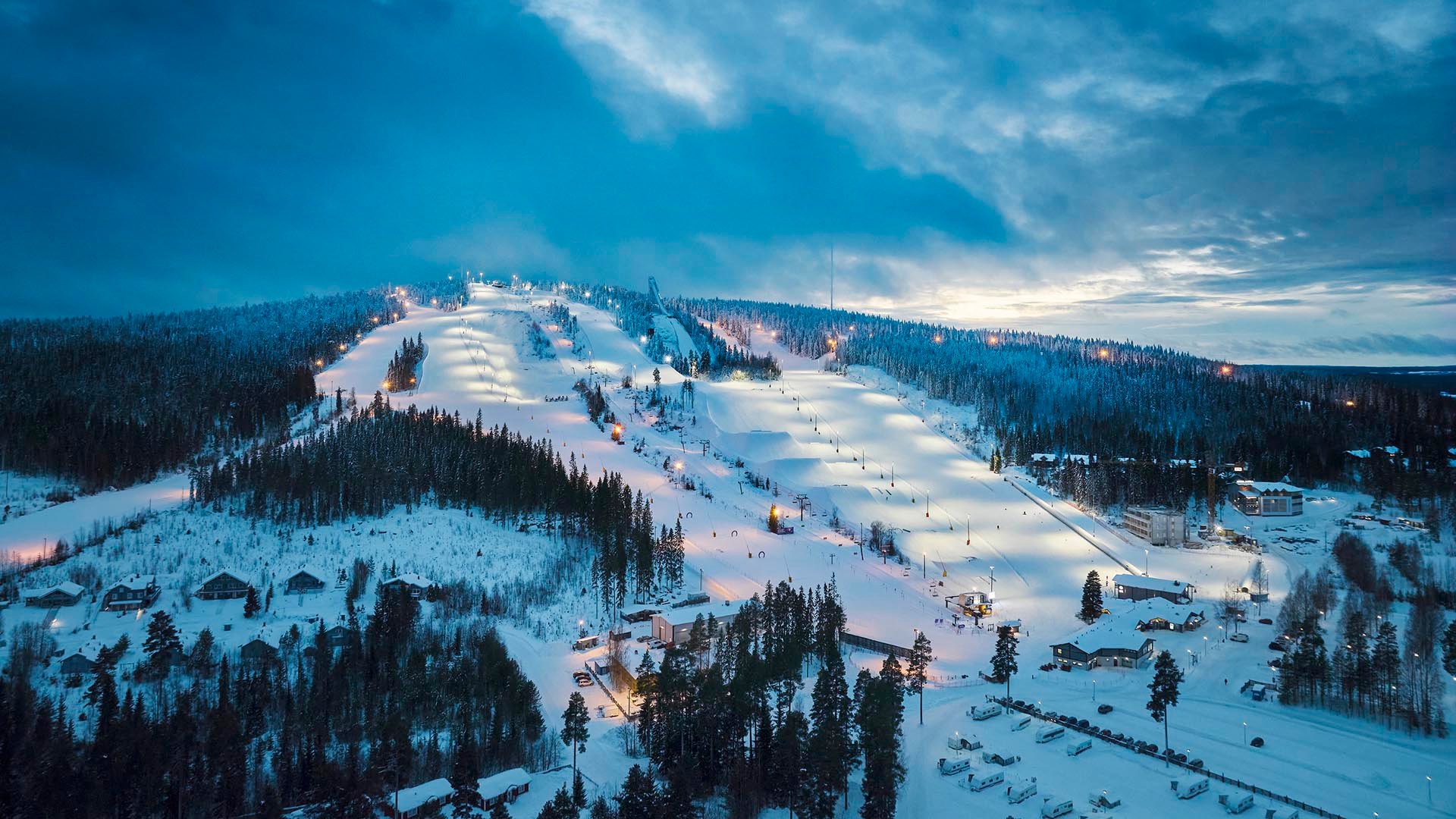
The purpose of the Vuokatti 2040 development project is to create a vision and an area plan for the slope areas of Vuokatti, which will diversify the region's tourism services and strengthen its position as one of Finland's leading tourist centres.
-
Tays M-building, Tampere
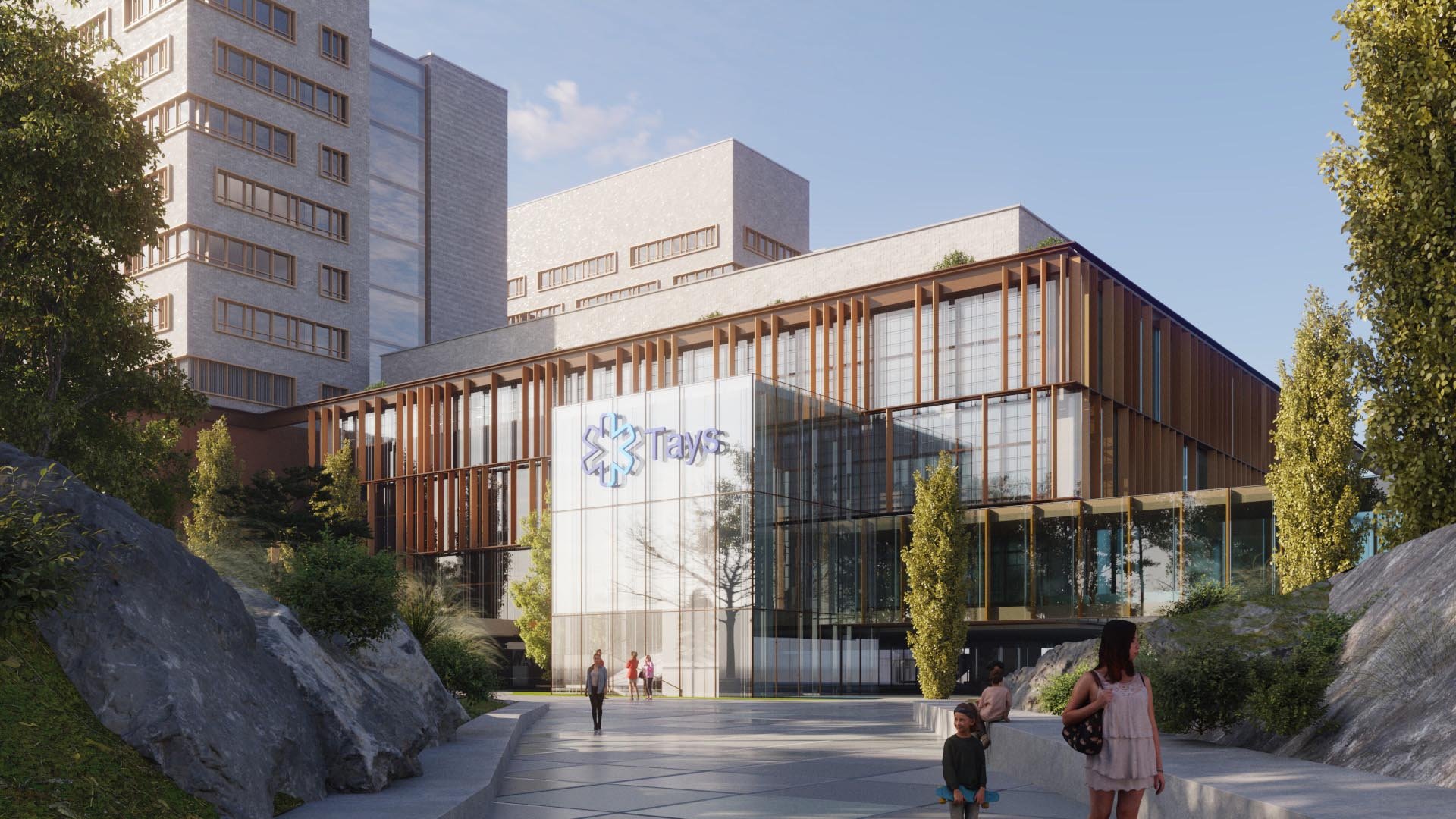
The upcoming M‑building at Tays, part of the hospital’s acute care hospital operations, will utilise an extensive energy‑recovery system in which heat captured from cooling processes is efficiently reused.
-
Oulu University Future Hospital 2030, Oulu
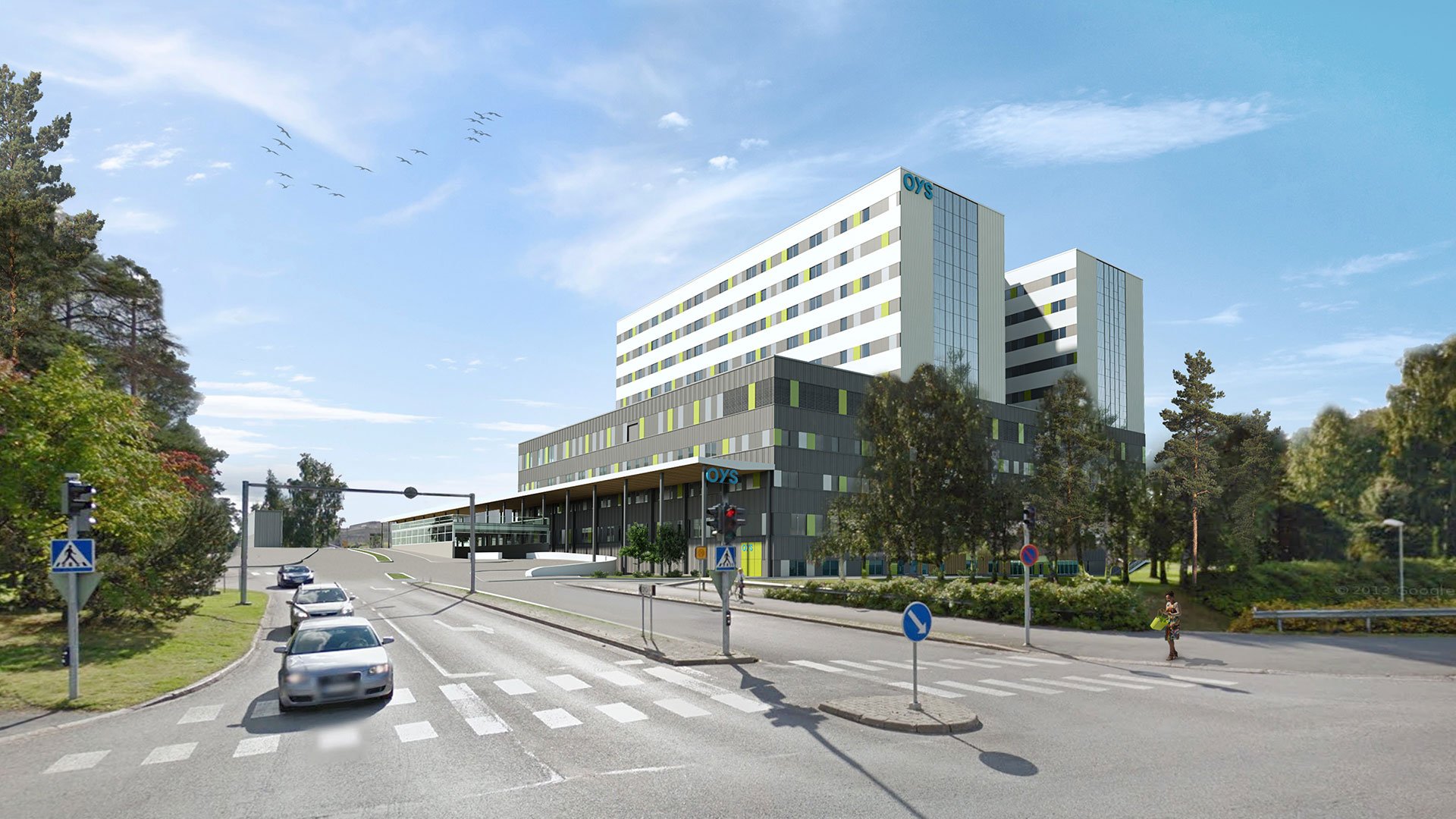
In the OYS University Hospital's reform program at OYS2030, the hospital's operations and facilities will be renovated to meet the challenges of future specialised healthcare.
-
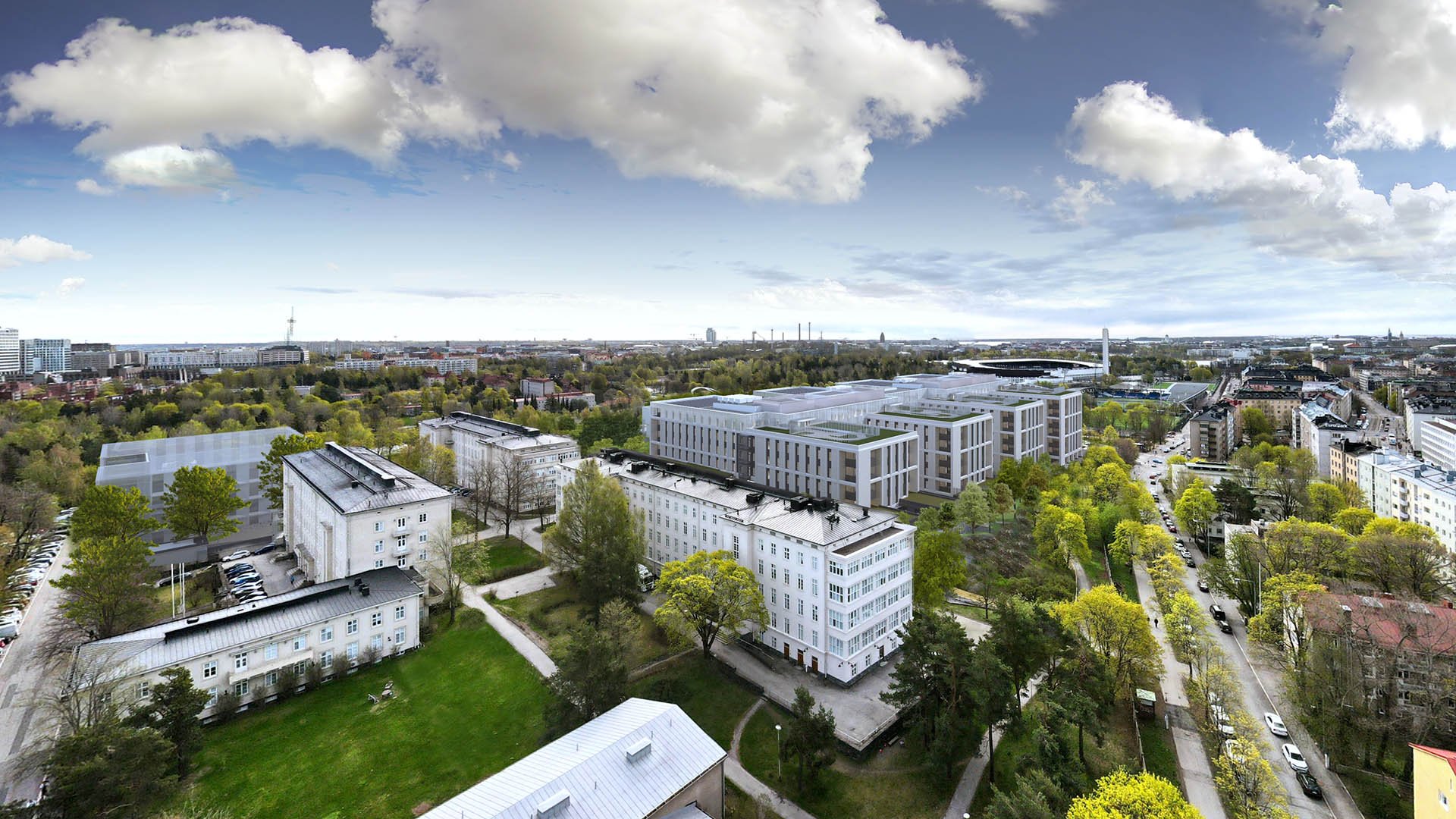
Laakso Joint Hospital, Helsinki
Laakso Joint Hospital is a collaborative project between the City of Helsinki and HUS, implemented using an alliance model.